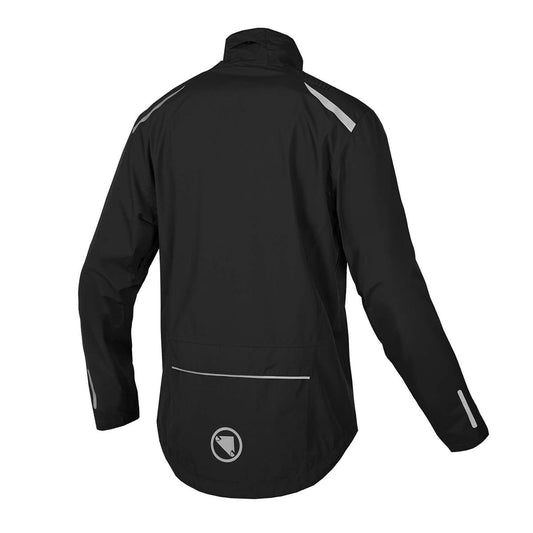
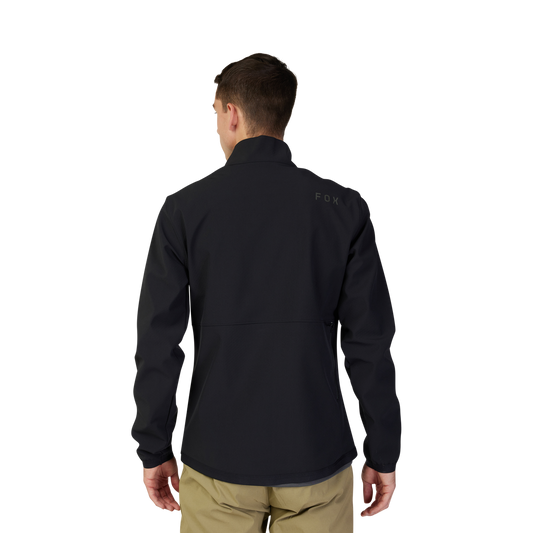
Why give up your passion during the winter season? By carefully choosing your outfit, it is possible to ride comfortably in the cold or in bad weather, on road or on mountain bike. Here are some tips to stop dreading winter cycling!
CHARACTERISTICS OF WINTER UPPER BODY CLOTHING
- The three layers: technical base layer (in other words, undershirt), jersey, jacket;
- Materials and technologies: Merino wool, polyester, polypropylene, technical membranes.
EVERYTHING YOU NEED TO KNOW ABOUT UPPER BODY LAYERING SOLUTIONS FOR WINTER
THE THREE-LAYER SYSTEM
The general principle of the three layers
Riding in winter means facing the cold, the rain, the wind — sometimes all at once! To stay warm and dry without overheating, it is necessary to adapt your outfit to the intensity of your effort and the sporting activity you are going to perform. Indeed, the feeling of cold on a bike does not depend solely on weather conditions. The intensity of the riding must be taken into account.
Two fundamental principles will ensure comfort: protecting the extremities (head, hands, feet) and wearing three layers on the upper body: a technical base layer, a jersey and a jacket. These three layers will wick away moisture whilst protecting the cyclist from the elements.
The first layer
The first layer is a technical base layer or undershirt. Long-sleeved in winter, it is worn directly against the skin and fitted to fulfil its function properly. The role of this base layer is to keep the cyclist dry by wicking away perspiration. Depending on the material and membrane used, it also provides thermal insulation only, or thermal insulation combined with wind protection.
The second layer
The jersey worn as the second layer plays a purely thermal role: this layer insulates against the external cold and retains the heat produced by the body. Depending on conditions, if a third layer is not necessary, this jersey can serve as the outer layer. It can then feature a fleece collar, reflective strips, and pockets. Its cut is long enough to cover the lower back and it is resistant to abrasion and tearing.
The third layer
The third layer, finally, is a jacket. It too is fitted and breathable to complete an effective ensemble and wick away moisture. Design details vary depending on the model: internal lining, higher or lower collar, back length, underarm ventilation, pockets, lined and waterproof closures, removable hood or not, high-visibility colours... Depending on the membrane and fabric, a jacket can be very compact, pack down into a ball and weigh as little as 200 grams, or conversely be thicker and bulkier.
MATERIALS AND TECHNOLOGIES
As a preamble, let us make clear straight away that cotton should be eliminated from any garment: it retains moisture and, ultimately, cools the body — the exact opposite of our goal. The most commonly used materials are as follows:
- Merino wool: used exclusively in the manufacture of base layers, it retains body heat well and has the great advantage of being naturally odour-resistant and of wicking moisture away. Comfortable to wear, it is however not the most durable fabric due to its softness.
- Polypropylene: lightweight, moisture-wicking, quick-drying, it draws perspiration away to the outside and is not affected by repeated machine washes. It is found almost exclusively in technical base layers.
- Polyamide: this material has excellent moisture absorption and drying capabilities. Often used in combination with elastane, it provides a soft feel and perfectly conforms to the shape of your body for total freedom of movement. This material can be found in both base layers and jerseys.
- Polyester: slightly less breathable than polyamide and somewhat more prone to odours, polyester is however more durable, making it a very well-suited fibre for the manufacture of jerseys and jackets.
- Finally, you will find, mainly in jackets, various technical membranes offering protection against wind, moisture and/or rain. Windstopper® (for wind) and Gore-Tex® (for rain and wind) membranes are the most widely used, although many manufacturers also have their own membranes. These can be combined with a more or less thick fleece lining to add thermal protection to the ensemble.
WHAT CLOTHING SHOULD I CHOOSE FOR THE UPPER BODY IN WINTER ACCORDING TO MY RIDING STYLE?
As you will have understood, the three-layer concept has a specific objective: to wick moisture from the inside to the outside. The cyclist stays dry and warm, protected from the elements (cold, wind, rain). But this concept must be adapted according to one's preferred discipline and, above all, the intensity at which this activity is performed.
Hiking
A three-layer combination strongly oriented towards thermal comfort will suit a hiker perfectly at a leisurely pace. Regarding the choice of jacket, it should be made from a robust fabric in order to withstand, in particular, the friction from backpack straps.
Cross-Country
A Cross-Country rider training with high-intensity peaks would be advised not to choose overly warm clothing, or even to opt for a two-layer system (base layer and jersey, or base layer and jacket depending on weather conditions and product characteristics), at the risk of producing excessive perspiration that can no longer be wicked away, even by the most technical fabrics.
All-Mountain
For an All-Mountain riding style, a combination of an effective windproof base layer with good moisture-wicking properties, and a not-too-thick thermal jersey, will provide good comfort during climbs. A jacket that is both warm and robust will in turn provide the warmth needed to keep descents enjoyable.
Enduro
The equipment will be fairly similar to that used for an All-Mountain ride, but with an even stronger emphasis on breathability and freedom of movement, with technical membranes combining warmth and lightness, and fabrics that stretch in all four directions.
DH / Freeride
In Freeride and DH, the cold will mainly come from speed and wind. You can keep your usual jersey and complement it with a thermal long-sleeved windproof base layer and a relatively lightweight windproof jacket so as not to hinder your freedom of movement and bike handling. Between descents, a jersey and/or a warm jacket will allow you to stay very comfortable and conserve all your energy for the next run.
Road
On the road, whether in summer or winter, aerodynamics and freedom of movement are key, with clothing featuring a particularly close fit to minimise wind resistance. The technical base layer always follows the body's contours as closely as possible to fulfil its role 100%. It is also absolutely essential to take into account the rise in body temperature as the effort increases and not to be afraid of feeling cold during the first few minutes of the ride.
Gravel and Cyclocross
For Gravel riding, a technical and comfortable outfit that protects against moisture and wind is ideal. Depending on the duration of your ride and the intensity of the effort, you can opt, as with Cross-Country, for a two-layer system. And, as with Road riding, a relatively close-fitting outfit should be favoured so as not to impede movement, but with an additional emphasis on durability to withstand riding through forests.
Découvrez tous nos conseils & Tutoriels
EQUIPMENT - MTB Jackets
-

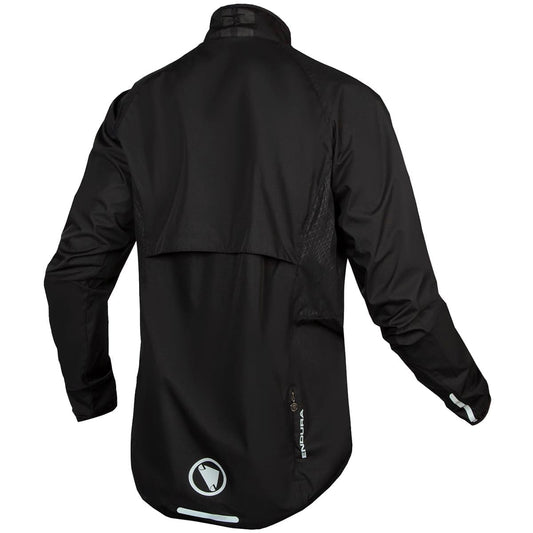
ENDURA XTRACT II Jacket Black
Regular price 62,99 €Regular priceUnit price per -
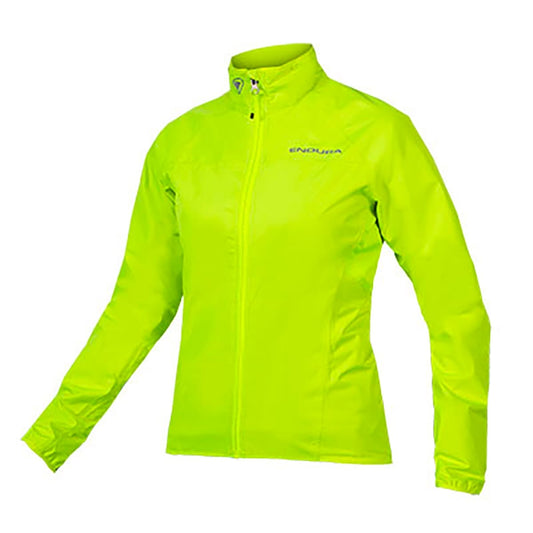
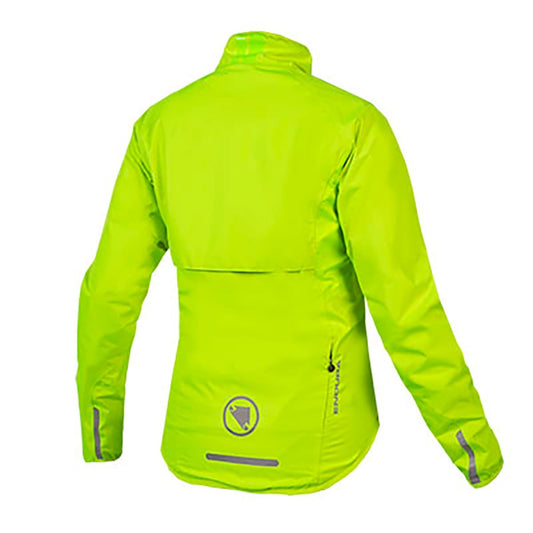
ENDURA XTRACT Women's Jacket Yellow
Regular price 62,99 €Regular priceUnit price per -

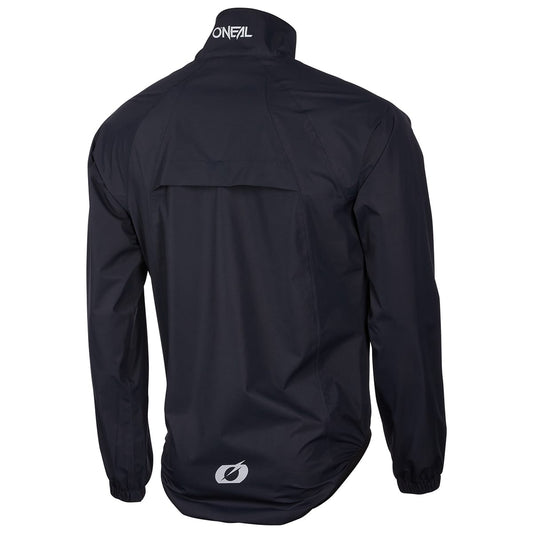
O'NEAL BREEZE WP Jacket Black
Regular price 62,99 €Regular priceUnit price per -

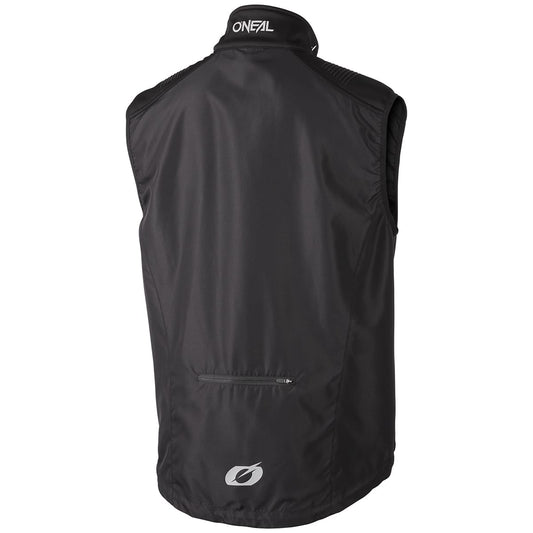
O'NEAL MTB PRO Sleeveless Jacket Black
Regular price 45,14 €Regular priceUnit price per -
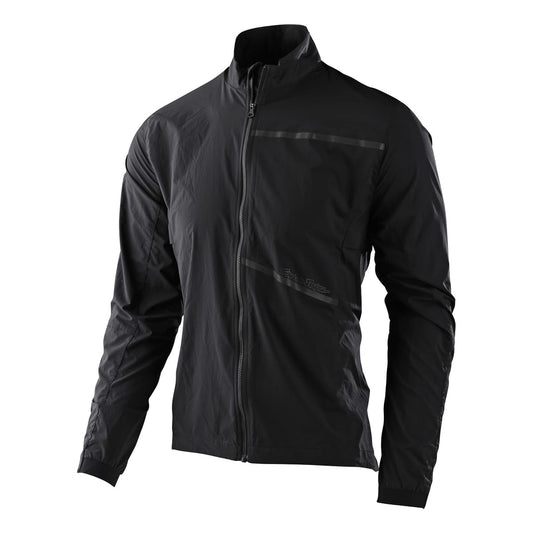
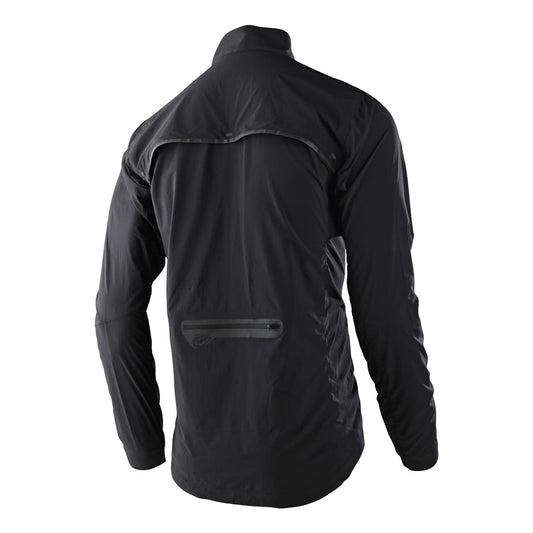
TROY LEE DESIGNS SHUTTLE Jacket Black
Regular price 89,24 €Regular priceUnit price per